Building a Culture of Winning

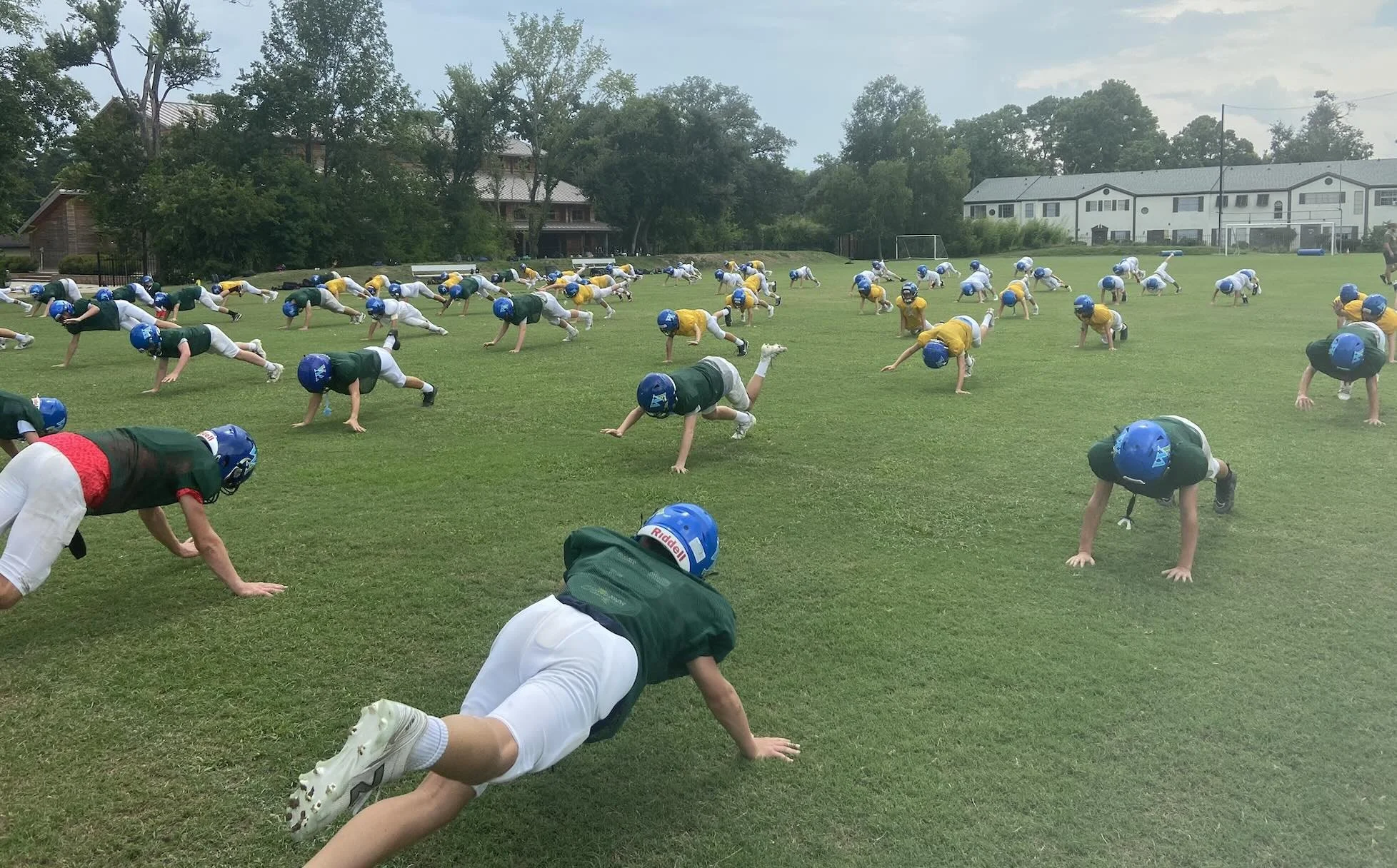
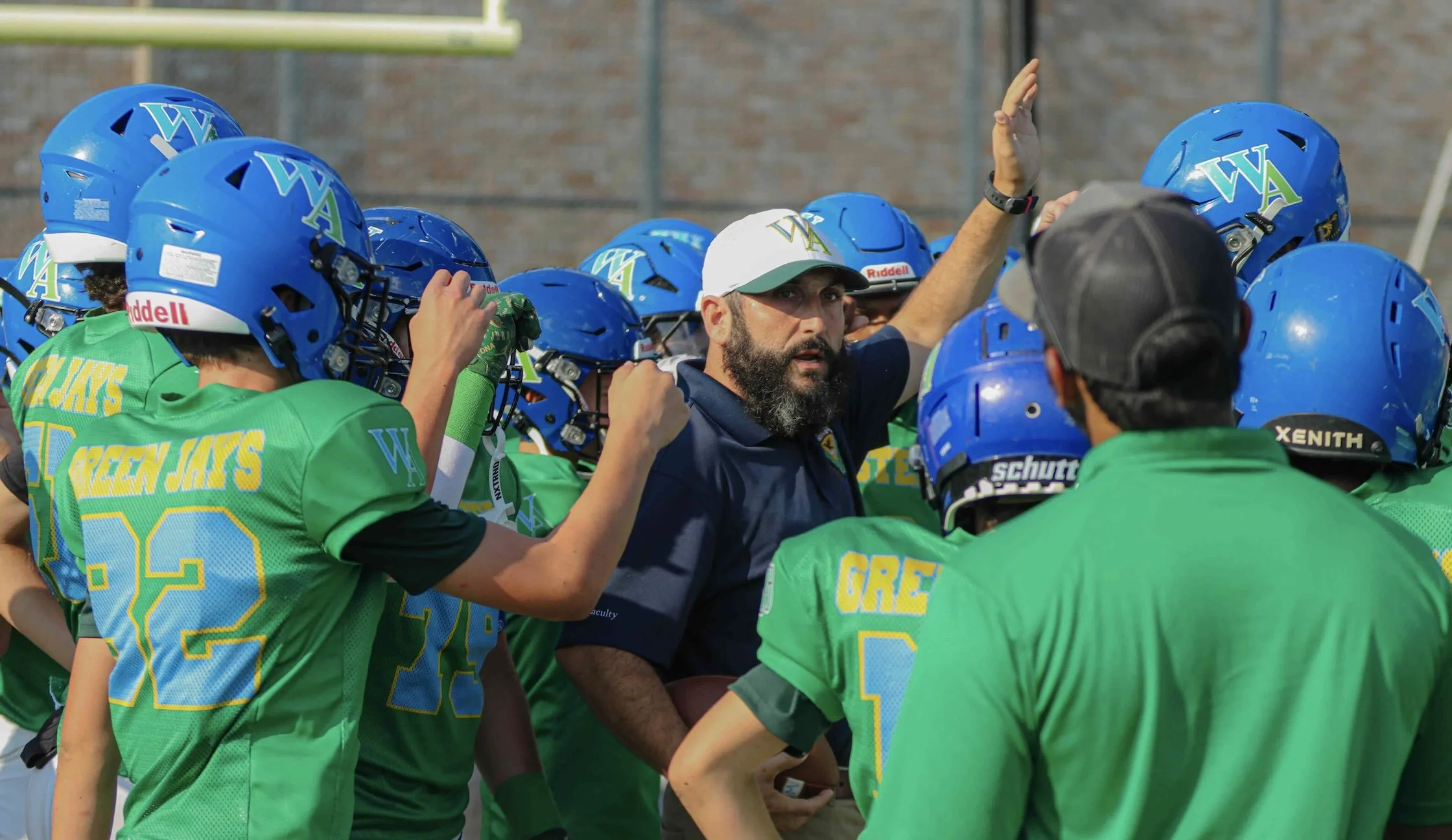
Western football teams have chalked up three undefeated seasons in a row. But it has not always been like that. Over the years, Head Coach, Mr. Brian D’Andrea’s, teams have grown to 95 players and built a winning culture. The Green Jays are known by opposing schools for their discipline, hard-hitting play and team spirit. Some coaches and administrators have even come over to visit Western.

Below, Offensive Assistant Coach, Mr. Mitch England, speaks about building this winning culture. Growing up, Mitch was granted abundant opportunities to observe great leaders up close. Beginning as "the middle child” among ten siblings in his family, he followed the role of his older brother, Sean, a gifted athlete and student. "When Sean played a sport, I played the sport. When Sean got good grades, I got good grades." As a high school lineman, Mitch took note of the ways of his great football coaches. In college, at Ole Miss, he experienced leadership and a team culture in the Air Force ROTC. And later, as a logistics officer in the Air Force, Mitch began to test and implement what he learned as a leader of men.

Let’s hear Coach England articulate what it has taken to build these great football teams…

Over the years, our Head Coach, Brian D’Andrea, has done a fantastic job at building a football program with a culture of winning. We are at a point now where the boys coming out for the team do not remember when it wasn’t like this. The younger kids think our success just happens. But to their surprise, they find out that it’s not magic. It is a product of something deeper, an entire culture.

Small victories add up
We work hard to show the boys that winning is a byproduct of their personal pursuit of excellence. The pursuit is an aspiration towards a higher good. They come to see that there is a reason why we obsess over the "little things,” the small details of the game.

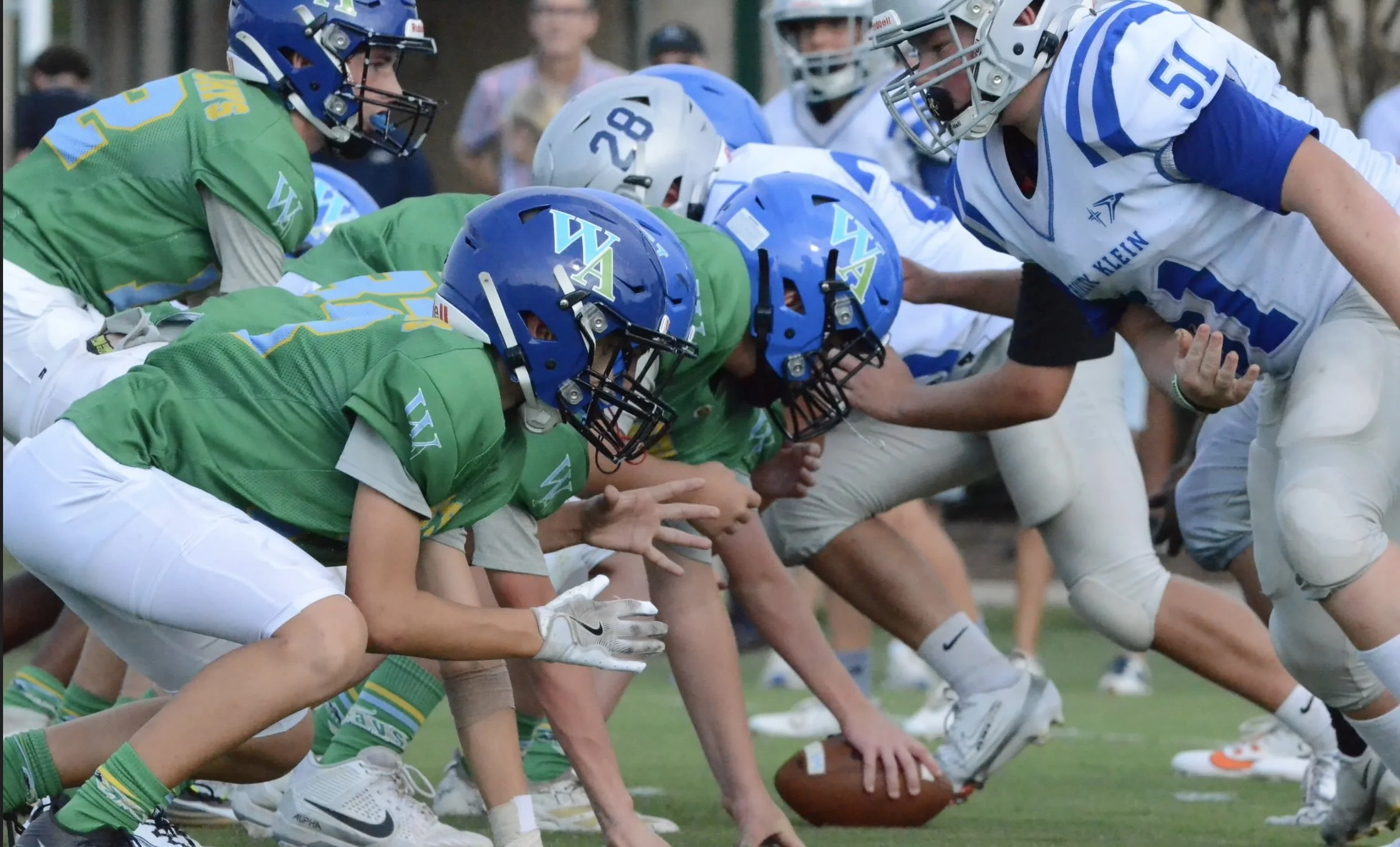
For example, boys see that achieving small wins comes from properly getting into a three-point stance, having correct footwork, or fulfilling their small assignment at their position. It can even come down to who or what they are looking at during a play. These small victories add up, play after play, until the scoreboard shows a positive outcome. They also come to realize that this pursuit of excellence remains constant throughout the season, even after a win or a loss, and even extends out during life after football.

Boys of character, striving to be men fully alive
We are blessed at Western to have the opportunity to coach boys with great character who are already striving to be men fully alive. I’m often surprised by the forcefulness and daring we find in some of these young men. They naturally aspire towards a higher good over their selfish desires. And there always seem to be a few among them who inspire others with their selflessness and zeal for the team.

People who watch our games often refer to a handful of players who get the glory when they cross into the end zone or make the big tackle. What they don’t see are the other ten guys on the field who carried out extremely important assignments for their brothers. They also might not notice the guys thanking or getting excited for the unsung hero on a given play.

The worst thing is letting each other down
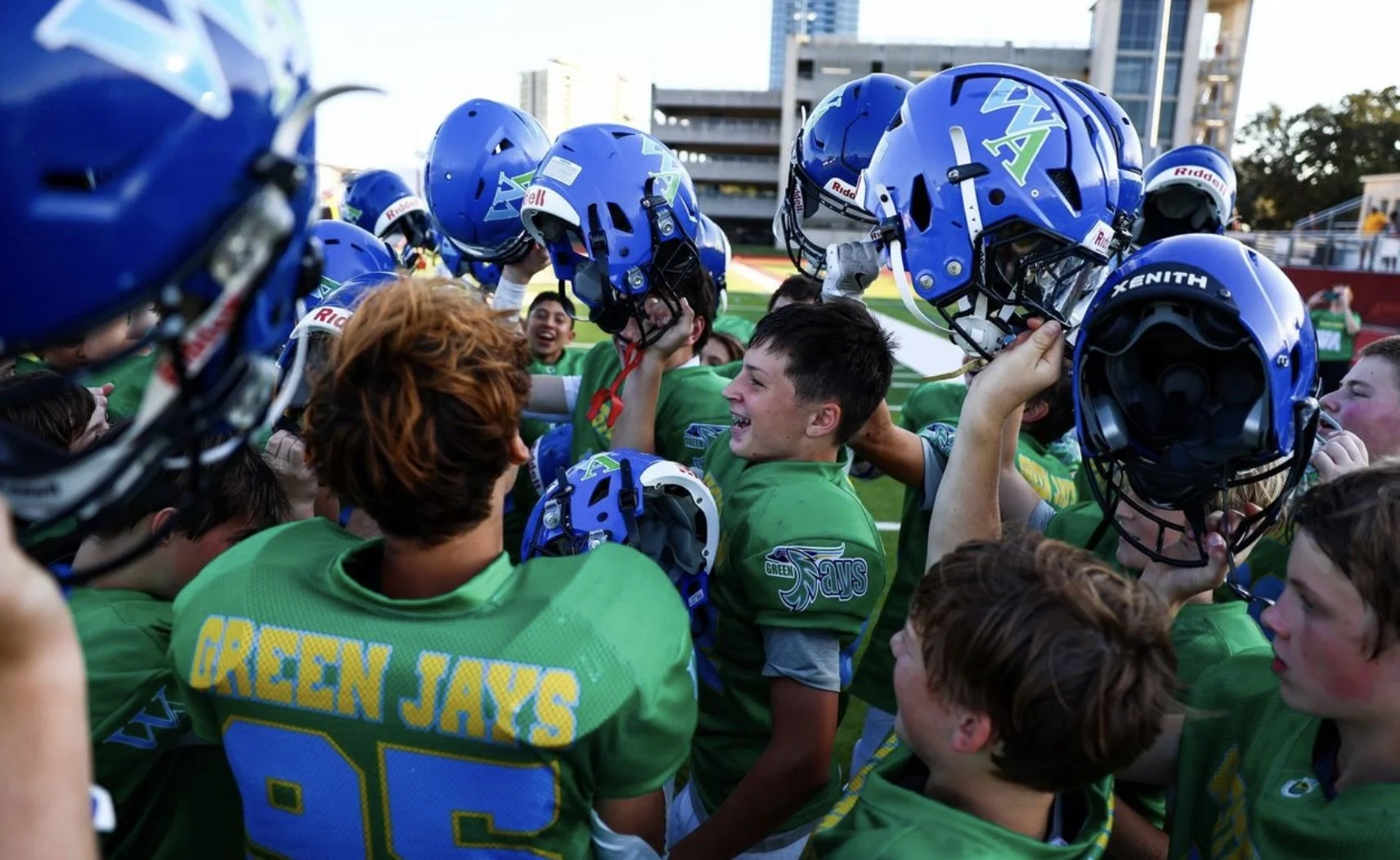
Western has been blessed with great athletes for a long time now, but one or two good athletes can be beaten by eleven unified players playing for each other. We impress that idea upon our players. The boys buy in to the culture of winning by realizing that victory is built on self-sacrifice for their teammates.

Sometimes, they can become their worst critics because they don’t want to let each other down. It is amazing to watch the kids slowly come together and mature by burning away their desire to play selfish football. Some of them, maybe for the first time in their lives, have taken on a responsibility for their assignment, for their role, and for their teammates.

There is no safety net for a coach or a parent to rush on the field and bail a player out of trouble after a missed block or a lazily missed tackle. The only one ultimately holding them accountable at the end of the day is the player himself. They learn that if they become self-interested, it doesn’t just hurt them, it hurts the team. That is why it is so powerful to see boys tell themselves and their teammates that they will give their best because the worst thing they want is to let each other down.

Binding boys together, from the top down
Coach D’Andrea doesn’t allow his staff to "do things because we’ve always done it that way.” Our culture extends to the coaching staff. We constantly challenge each other, pass along new ideas and admit that we don’t know it all. We sharpen each other and the boys sharpen us. And we do it because we genuinely care about each other. Our culture of winning is about much more than our win-loss record, it is about taking a group of individuals, binding them into one cohesive unit, and discovering what true fraternal love is all about.

Timothy Keenley